
Introduction
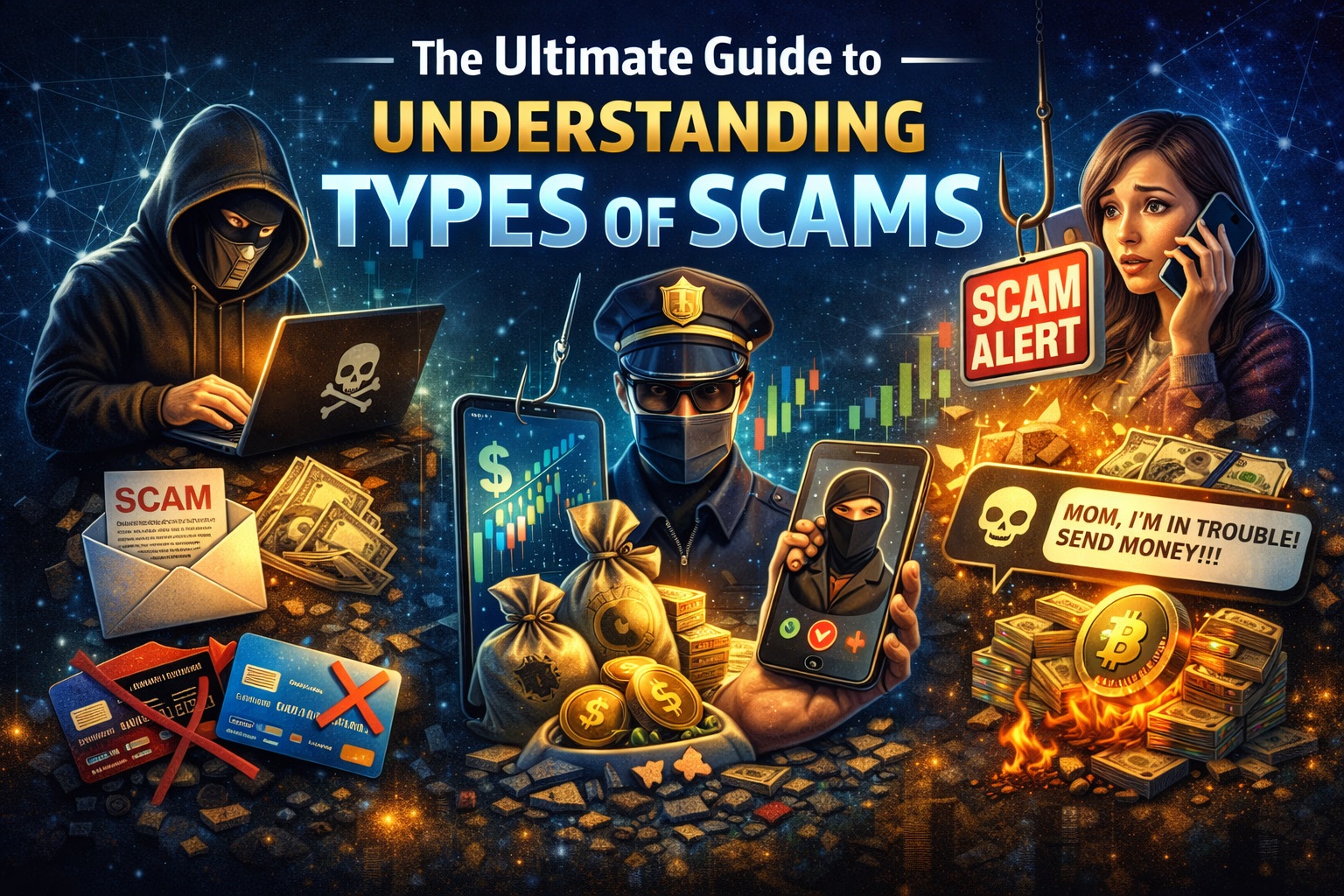
In today’s interconnected digital world, scams have evolved from simple con games into sophisticated schemes that can devastate victims financially and emotionally. A scam is any fraudulent scheme designed to deceive individuals and illegally obtain their money, personal information, or both. With the exponential growth of internet connectivity, online fraud types have multiplied, making it increasingly challenging for consumers to distinguish legitimate opportunities from elaborate traps.
Understanding the different types of scams explained is your first line of defense against financial predators. Whether you’re investing in forex markets, shopping online, or simply browsing social media, scammers are constantly developing new tactics to exploit unsuspecting victims. This comprehensive guide explores the most common scam types with examples, warning signs to watch for, and practical steps you can take to protect yourself.
According to recent reports, millions of people fall victim to scams annually, with losses totaling billions of dollars globally. The sad reality is that scammers are becoming more sophisticated, using advanced technology, psychological manipulation, and seemingly legitimate platforms to gain trust before executing their fraudulent schemes. By familiarizing yourself with these types of scams, you can better protect yourself, your family, and your finances from these malicious actors.
1. Investment Scams
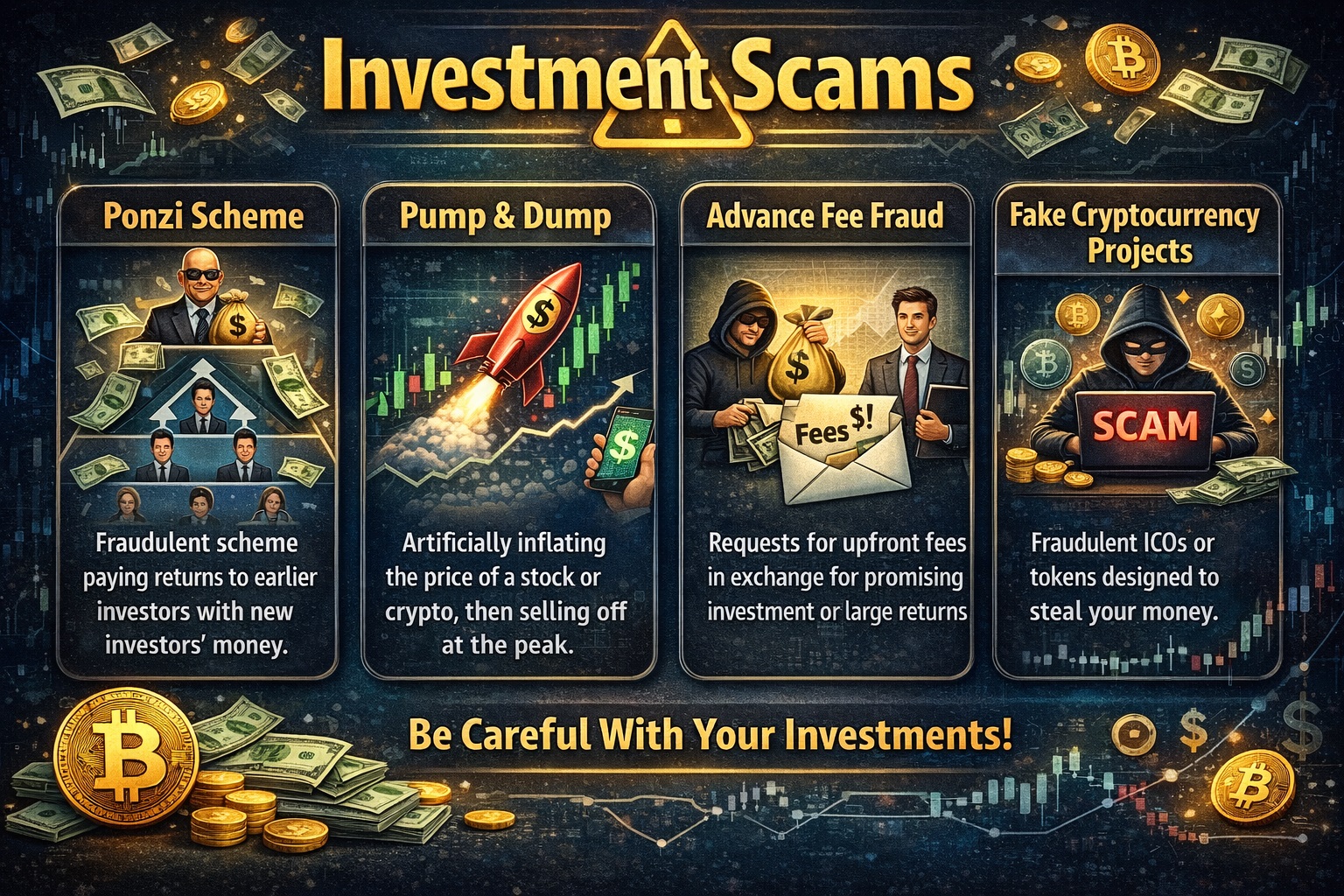
Online investment scams encompass a broad range of fraudulent schemes designed to separate investors from their money. These fake investment schemes often promise high returns with minimal risk, exploiting people’s desire for financial security.
Common Types of Investment Scams
Ponzi Scheme Scams: Named after Charles Ponzi, these schemes pay returns to earlier investors using capital from newer investors rather than from legitimate profits. Eventually, the scheme collapses when recruitment slows or withdrawals exceed new investments.
Pyramid Schemes: Similar to Ponzi schemes but requiring participants to recruit others. Income comes primarily from recruitment fees rather than actual product sales or investments.
Advance Fee Fraud: Scammers request upfront payments for investments that never materialize, claiming the fees are for taxes, processing, or administrative costs.
Prime Bank Investment Fraud: Fraudsters claim access to exclusive “prime bank” investment opportunities with guaranteed returns, which don’t actually exist.
How to Identify Investment Scams?
Recognizing investment scam red flags is essential:
- Promises of guaranteed high returns with little or no risk
- Pressure to invest immediately before missing the “opportunity”
- Unregistered investments or unlicensed sellers
- Overly consistent returns regardless of market conditions
- Difficulty receiving payments or withdrawing funds
- Complex strategies that are difficult to understand
Always verify investment opportunities through official regulatory databases, research the company and individuals involved, and consult with independent financial advisors before investing. If an investment opportunity sounds too good to be true, it almost certainly is.
2. Forex Trading Scams
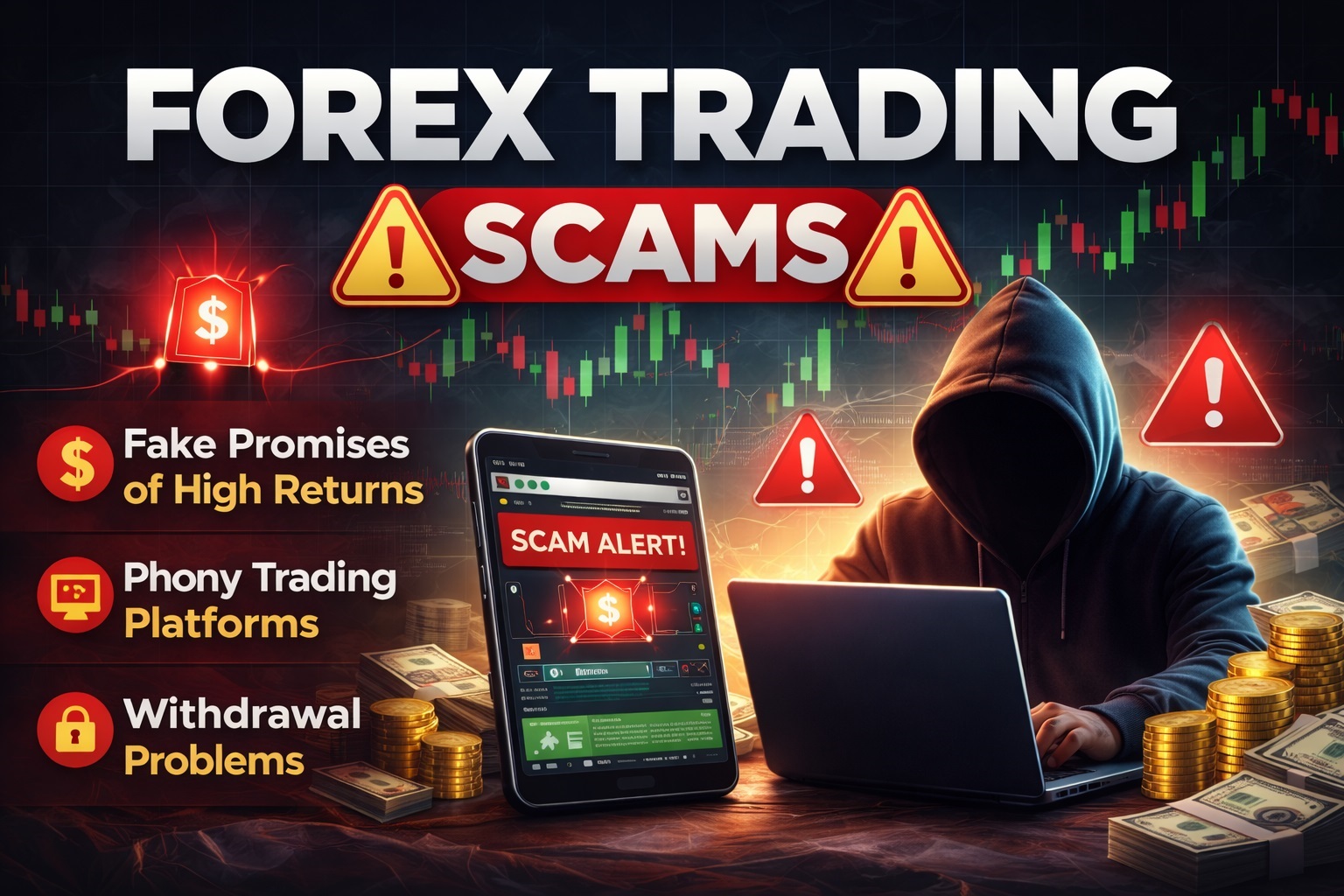
Forex trading scams represent one of the most lucrative areas for fraudsters, exploiting the complex nature of foreign exchange markets to deceive investors. The forex market, being the largest financial market globally with trillions traded daily, attracts both legitimate traders and scam artists.
How to Spot Forex Trading Scams?
Identifying warning signs of forex scams is crucial before investing your hard-earned money. Scam brokers are professionals who create convincing websites and marketing materials that appear legitimate. However, several red flags can help you identify these fraudulent operations:
Unrealistic Profit Guarantees: Legitimate brokers never promise guaranteed high returns. If a broker claims you can make extraordinary profits with little to no risk, this is a major forex scam warning sign. The forex market is inherently volatile, and no one can predict currency movements with absolute certainty.
Lack of Regulation: One of the most critical warning signs of forex scams is the absence of proper regulatory oversight. Legitimate forex brokers must be regulated by recognized financial authorities such as the Financial Conduct Authority (FCA) in the UK, the Commodity Futures Trading Commission (CFTC) in the USA, or the Cyprus Securities and Exchange Commission (CySEC) in Europe. Always verify a broker’s license on both their website and the regulator’s official website.
Pressure Tactics: Scam brokers often use high-pressure sales tactics, urging you to deposit large amounts quickly or risk missing out on “exclusive opportunities.” Legitimate brokers allow you time to make informed decisions.
Withdrawal Issues: Many victims of forex trading scams report difficulties when attempting to withdraw their funds. Brokers may impose unreasonable conditions, delay payments indefinitely, or simply disappear with your money.
Forex Scam Recovery Tips
If you’ve fallen victim to a forex scam, act quickly. Document all communications, transactions, and evidence. Report the scam to relevant professional services and consider seeking legal assistance. Organizations like scamsreport.net can help you navigate the recovery process and connect you with professionals who specialize in recovering funds from fraudulent brokers.
3. Cryptocurrency Scams
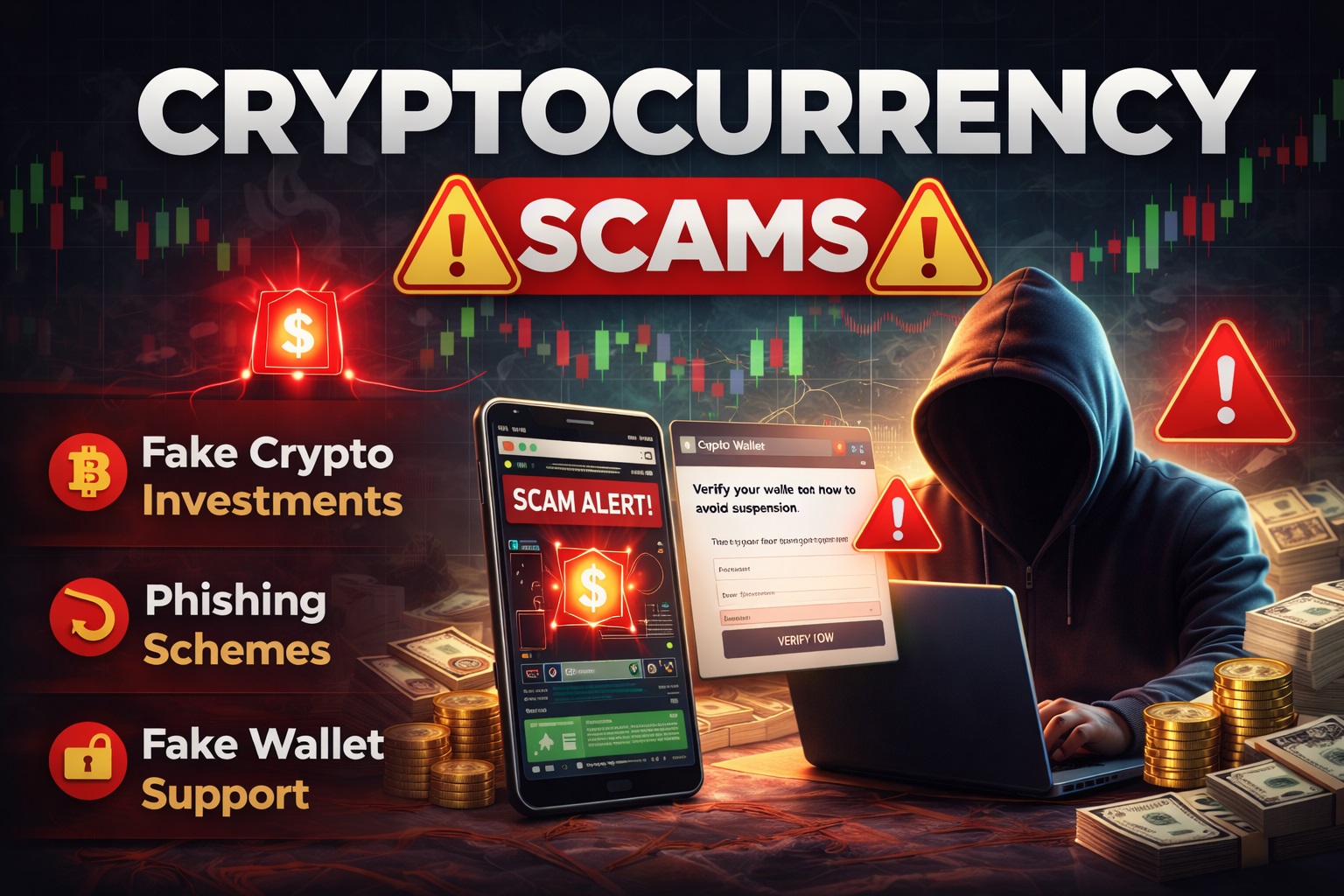
With the explosive growth of digital currencies, cryptocurrency scams have become increasingly prevalent. The decentralized and relatively unregulated nature of crypto markets makes them attractive hunting grounds for scammers.
How to Identify Cryptocurrency Scams?
Crypto investment scams come in various forms, but they share common characteristics. Understanding how to identify cryptocurrency scams can save you from devastating losses:
Unsolicited Investment Opportunities: Scammers often reach out through social media, email, or messaging apps, promising extraordinary returns on crypto investments. These online crypto scams typically involve fake trading platforms or phishing websites designed to look legitimate.
Fake Exchanges and Wallets: Fraudsters create convincing replicas of legitimate cryptocurrency exchanges. When you deposit funds or purchase crypto through these platforms, your money goes directly to the scammers.
Pump-and-Dump Schemes: Scammers artificially inflate the price of obscure cryptocurrencies through false information, then sell their holdings at the peak, leaving other investors with worthless tokens.
Crypto Scam Warning Signs
Be alert for these crypto scam warning signs:
- Promises of guaranteed returns in volatile markets
- Requests to send cryptocurrency to unknown wallet addresses
- Pressure to invest quickly before missing out
- Celebrity endorsements that seem too good to be true
- Platforms requiring upfront payments before allowing withdrawals
Always research any cryptocurrency investment thoroughly, verify the legitimacy of platforms through official sources, and never invest more than you can afford to lose.
4. Contract for Difference (CFD) Trading Scams
Contract for Difference (CFD) trading scams have proliferated with the rise of online trading platforms. Understanding how CFD scams work is essential for anyone considering this form of investment.
How to Identify CFD Scams?
CFD trading scams often involve unregulated brokers who use aggressive marketing tactics to attract victims. Here are key warning signs of CFD broker scams:
Unregulated Platforms: Legitimate CFD brokers must be licensed by financial authorities. Scam brokers operate without proper regulation, making fund recovery nearly impossible.
Cold Calling and Pressure: Many examples of CFD scams begin with unsolicited phone calls from persuasive salespeople who pressure targets into making quick deposits.
Social Media Advertising: Despite regulations, unregulated CFD brokers continue to advertise on social media platforms, often using fake testimonials and promises of easy profits.
Manipulation of Trading Platforms: Some scam brokers manipulate their trading platforms to ensure clients lose money, or they may refuse to execute profitable trades.
The semi-regulated nature of CFD trading has created opportunities for fraudsters to operate in gray areas. Always verify a broker’s credentials, read reviews from independent sources, and never invest based solely on social media advertisements.
5. Tech Support Scams
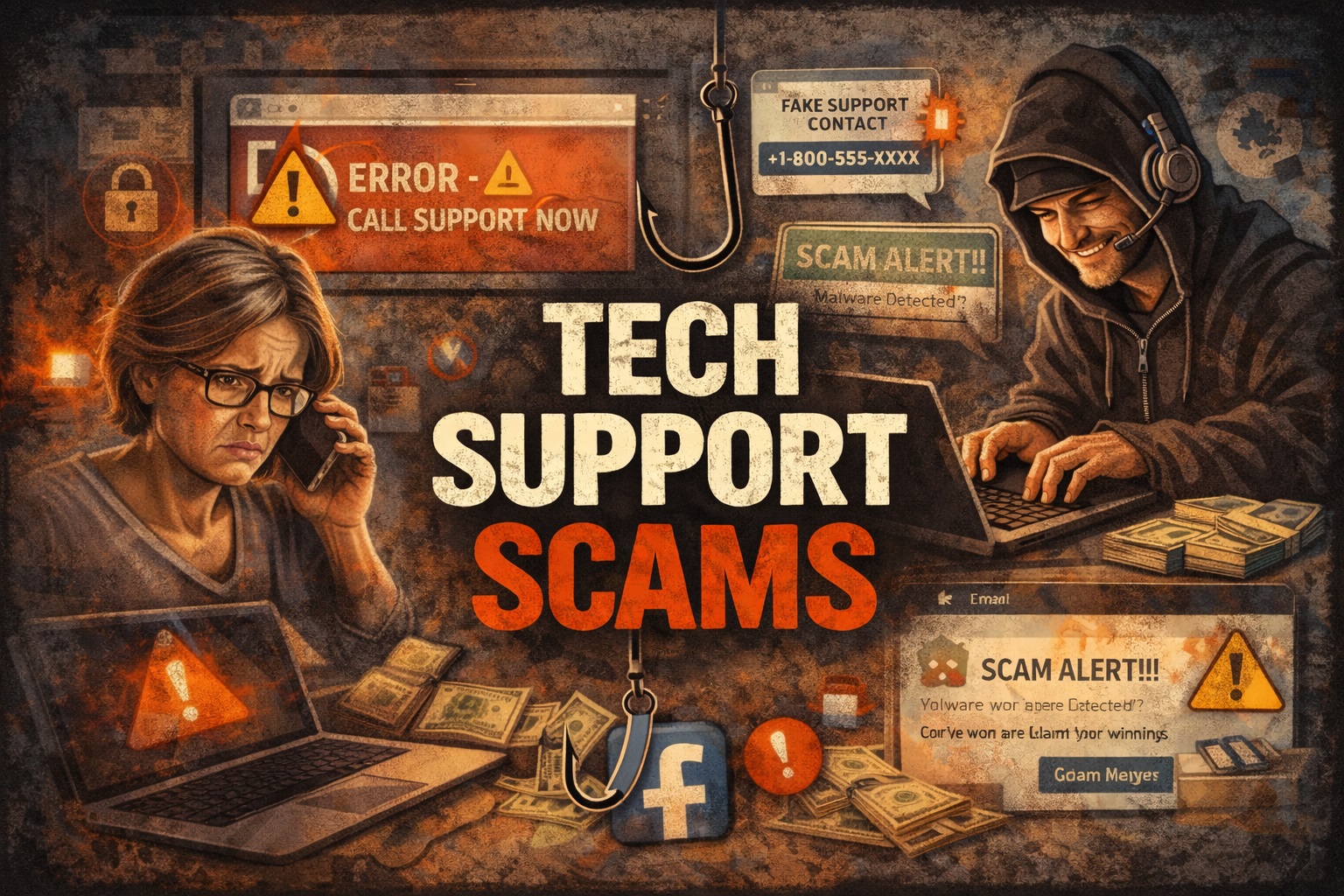
Online tech support scams involve fraudsters posing as technical support representatives from well-known companies like Microsoft, Apple, or internet service providers.
How Tech Support Scams Work?
Scammers contact victims through phone calls, pop-up messages, or emails claiming their computer has been infected with viruses or compromised. They offer to fix the non-existent problem for a fee or request remote access to your computer.
How to Identify Tech Support Scams?
Warning signs of fake tech support:
- Unsolicited calls claiming your computer has problems
- Pop-up messages warning of viruses or security threats
- Pressure to grant remote access to your computer immediately
- Requests for payment via gift cards, wire transfer, or cryptocurrency
- Claims to be from Microsoft, Apple, or your ISP calling you directly
What to Do If Targeted by Tech Support Scam?
Fake tech support scam operators may install malware, steal personal information, or charge for unnecessary services. If contacted:
- Hang up immediately on unsolicited calls
- Close pop-up windows without clicking anything
- Never grant remote access to strangers
- Run legitimate antivirus software if concerned
- Report the scam to the FTC and the impersonated company
Legitimate tech companies don’t cold-call customers about security issues or send unsolicited pop-up warnings.
6. Threats and Extortion Scams
Threats and extortion scams use fear and intimidation to coerce victims into sending money or divulging sensitive information. These online extortion scams have become increasingly sophisticated with technology.
How Threats and Extortion Scams Work?
Threat scam messages typically involve:
Sextortion: Scammers claim to have compromising photos or videos of you (often completely fabricated) and threaten to share them with your contacts unless you pay.
Hitman Scams: Fraudsters send emails claiming they’ve been hired to harm you but will cancel the “contract” if you pay them instead.
Data Breach Threats: Scammers claim to have hacked your computer or accounts and will release your data unless you pay a ransom.
Examples of Extortion Scam Emails
How to identify extortion scams includes recognizing common patterns:
- Emails claiming to have hacked your webcam
- Messages containing old passwords obtained from data breaches to appear credible
- Threats to expose personal information or browsing history
- Demands for payment in cryptocurrency for anonymity
How to Avoid Cyber Extortion?
Never respond to or pay extortion demands. These scammers rarely have the information they claim and are simply trying to frighten you into paying. Change your passwords, enable two-factor authentication, and report the threats to law enforcement and cybercrime agencies.
7. Tax Scams
Income tax scams spike during tax season but occur year-round, with scammers impersonating government tax authorities to steal money and personal information.
Common Tax Scams to Avoid
Fake Tax Calls Scam: Fraudsters call claiming to be from the IRS, HMRC, or other tax authorities, demanding immediate payment for alleged back taxes. They often threaten arrest, deportation, or license suspension if you don’t comply.
Tax Refund Scams: Scammers send emails or texts claiming you’re owed a tax refund and requesting personal information or bank details to process the payment.
Tax Preparer Fraud: Dishonest tax preparers may claim inflated refunds to attract clients, then steal the refund or personal information for identity theft.
How to Identify Tax Scams
Understanding warning signs of tax scams can protect you from these fraudsters:
- Unsolicited calls, emails, or texts from supposed tax authorities
- Demands for immediate payment via gift cards, wire transfers, or cryptocurrency
- Threats of arrest, legal action, or license suspension
- Requests for personal information via email or phone
- Claims of special refunds or stimulus payments you weren’t expecting
What to do if targeted by tax scam: Never provide personal or financial information over the phone or email. Hang up and contact your tax authority directly using official numbers from their website. Report the scam to professional services like scamsreport.net and consider seeking guidance if you’ve already provided information or made payments.
Government tax scams are serious offenses. Remember that legitimate tax authorities typically communicate through official mail and never demand immediate payment through unconventional methods.
8. Online Shopping Scams
The convenience of e-commerce has created opportunities for online shopping scams, where fraudsters set up fake online stores or advertise non-existent products.
How to Identify Online Shopping Scams?
Common online shopping scams include:
Fake Online Stores: Sophisticated websites selling popular products at deeply discounted prices. After you pay, you either receive nothing, counterfeit items, or products vastly different from what was advertised.
Non-Delivery Scams: Sellers take payment but never ship the product, often disappearing entirely after receiving money.
Counterfeit Goods: Sites selling fake versions of branded products at reduced prices.
Warning Signs of Online Shopping Fraud
How to avoid fake online stores:
- Prices significantly below market value
- Poor website design, spelling errors, or grammatical mistakes
- No contact information or physical address
- Lack of secure payment options (no HTTPS or padlock icon)
- No return policy or customer reviews
- Pressure to pay via wire transfer, cryptocurrency, or gift cards
Before purchasing, research the retailer, check for independent reviews, verify contact information, and use secure payment methods that offer buyer protection. If you’ve been scammed, how to report online shopping scams includes contacting your credit card company, reporting to consumer protection agencies, and documenting all evidence through platforms like scamsreport.net.
9. Lottery Scams
Fake lottery scams prey on people’s dreams of sudden wealth. Understanding how to identify lottery scams can prevent devastating financial losses.
Scammers contact victims claiming they’ve won a lottery, sweepstakes, or prize draw they never entered. To claim the “winnings,” victims must pay upfront fees for taxes, processing, or shipping.
Warning signs of lottery scams:
- Winning a lottery you didn’t enter
- Requests for payment before receiving winnings
- Pressure to act quickly or keep the win secret
- Communications from unofficial email addresses
- Poor grammar and spelling in notification letters
What to do if you receive a lottery scam email? Delete it immediately, never send money or personal information, and report it to consumer protection agencies. Legitimate lotteries never require winners to pay fees upfront and don’t award prizes to people who haven’t purchased tickets.
10. Social Media and Facebook Scams
Social media fraud has exploded as billions of users engage on platforms like Facebook, Instagram, Twitter, and LinkedIn. Understanding the types of social media scams is crucial for safe online engagement.
Common Social Media Scams
Online social media scams take many forms:
Phishing Links: Scammers post links that appear to lead to legitimate websites but actually direct users to phishing pages designed to steal login credentials and personal information.
Fake Giveaways and Contests: Fraudulent promotions promise prizes in exchange for personal information, upfront fees, or social media engagement.
Impersonation Scams: Scammers create fake profiles impersonating friends, family members, or celebrities to request money or personal information.
Investment and Get-Rich-Quick Schemes: Social media scams frequently promote fraudulent investment opportunities, promising unrealistic returns.
Facebook Fraud Specifics
Facebook scams deserve special attention due to the platform’s massive user base. Understanding how to identify Facebook scams includes recognizing:
Marketplace Scams: Fraudulent sellers on Facebook Marketplace advertise products at attractive prices but never deliver after receiving payment.
Account Hacking Messages: Messages claiming your account has been compromised and requesting you to click a link to verify your identity.
Fake Charity Appeals: Scammers exploit natural disasters and tragedies by creating fake charity pages.
Warning signs of Facebook scams include:
- Messages from friends asking for money or gift cards
- Sponsored posts with unrealistic offers
- Requests to move conversations off-platform
- Pages or profiles with limited history or engagement
What to do if scammed on Facebook? Report the scam to Facebook immediately, contact your bank if you’ve provided financial information, change your passwords, and enable two-factor authentication. Document everything and consider reporting to scamsreport.net for additional support and guidance.
11. Romance Scams
Online romance scams are among the most emotionally devastating frauds, combining financial theft with psychological manipulation. These scams occur when fraudsters create fake profiles on dating websites or social media to establish romantic relationships with victims before requesting money.
How Romance Scammers Operate
Understanding how romance scammers operate reveals a calculated pattern of deception:
Profile Creation: Scammers create attractive, convincing profiles using stolen photos and fabricated backgrounds. They often claim to be military personnel, doctors, engineers, or other professionals working abroad.
Relationship Building: Romance scammers invest significant time building emotional connections. They express strong feelings quickly, share personal stories, and create a sense of intimacy through constant communication.
The Financial Request: After establishing trust, scammers introduce a crisis requiring financial assistance—medical emergencies, business opportunities, travel expenses to visit you, or customs fees for packages.
Warning Signs of Romance Scams
Recognizing romance scam red flags can prevent heartbreak and financial loss:
- Professing love unusually quickly
- Avoiding video calls or in-person meetings despite long relationships
- Claiming to work abroad or in remote locations
- Requesting money for emergencies or business opportunities
- Using inconsistent stories or details about their life
Examples of romance scams include the “military romance scam” where fraudsters impersonate soldiers stationed overseas, or the “inheritance scam” where they claim to need money to access a large inheritance.
If you suspect you’re involved in an online dating fraud situation, cease all contact immediately, avoid sending money, and report the profile to the dating and professional Financial service platforms. Services like scamsreport.net can provide guidance and support for victims of romance scams.
12. Portfolio Recovery Scams
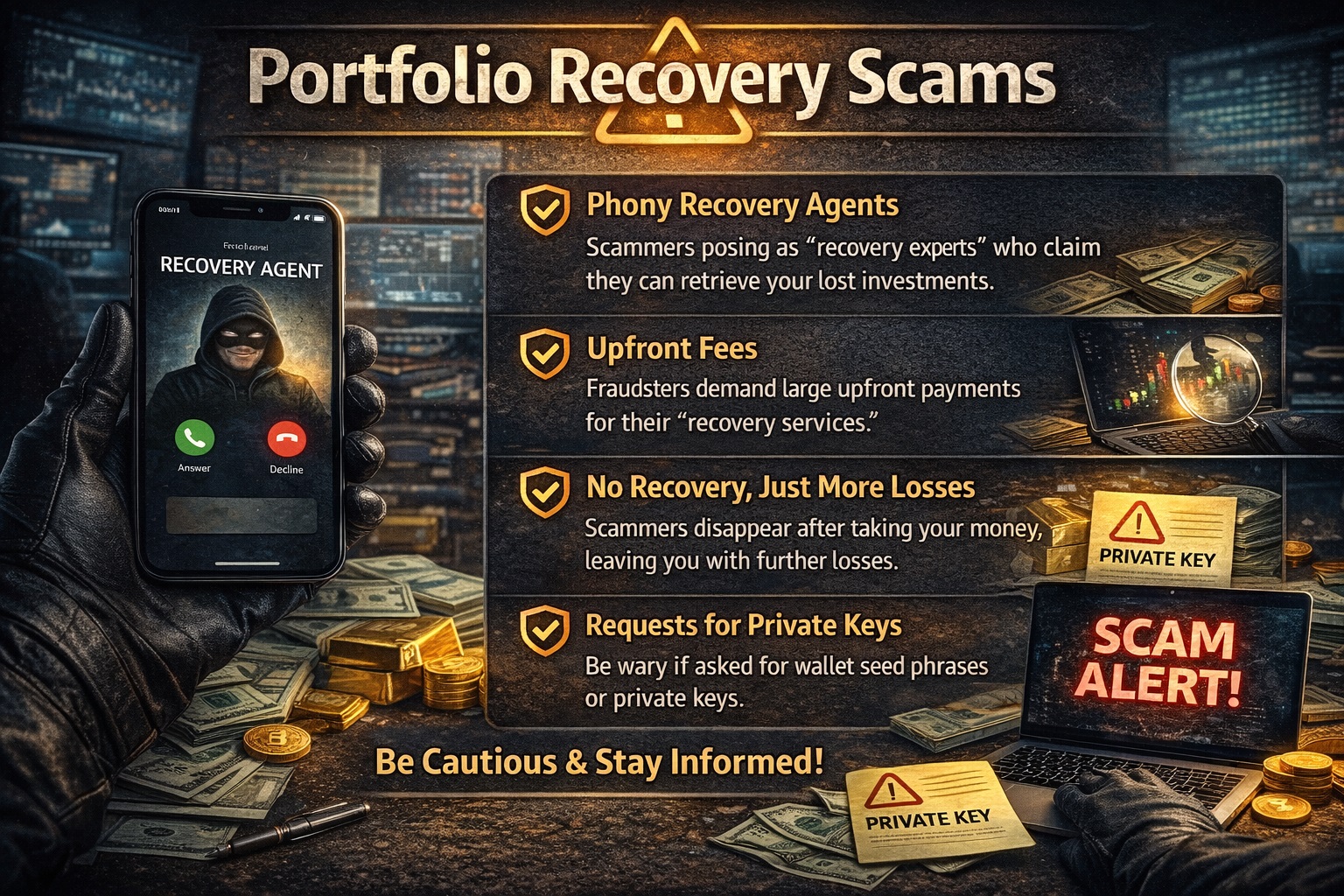
Portfolio recovery scams exploit people already in financial distress, often targeting victims of investment scams with promises to recover their lost funds.
How to Identify a Portfolio Recovery Scam?
Fake recovery company scam operators contact scam victims, claiming they can retrieve money lost to fraud. They request upfront fees for their “services” but never actually recover any funds.
Warning signs of recovery scams:
- Unsolicited contact offering recovery services
- Guarantees of fund recovery
- Requests for payment before any services are rendered
- High-pressure tactics and urgency
- Lack of verifiable credentials or registration
How recovery scams target victims? Fraudsters obtain lists of scam victims from previous scams or data breaches, knowing these individuals are vulnerable and desperate to recover their losses.
Is Portfolio Recovery legitimate or scam? While legitimate debt collection agencies like Portfolio Recovery Associates exist, scammers often impersonate them or similar companies. Always verify the legitimacy of any company claiming to represent Portfolio Recovery or offering recovery services by checking official registrations and never paying upfront fees.
13. Zelle Scams
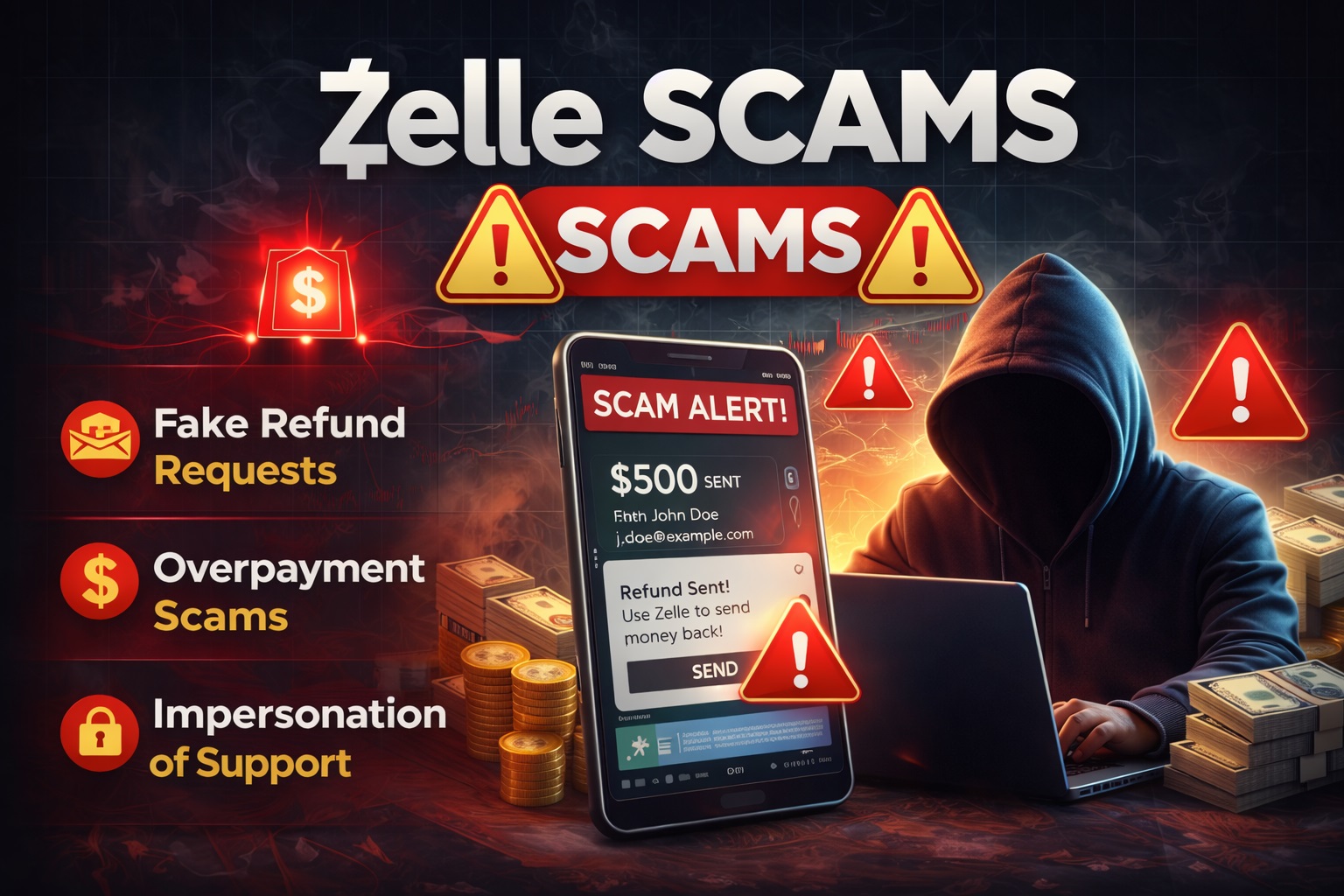
Zelle payment scams have increased as the peer-to-peer payment platform’s popularity has grown. Unlike credit cards, Zelle transfers are instant and difficult to reverse, making them attractive to scammers.
Common Zelle Scams to Avoid
Impersonation Scams: Scammers pretend to be from your bank, claiming suspicious activity on your account and instructing you to transfer money to a “safe” account via Zelle.
Overpayment Scams: Fraudulent buyers send more than the asking price for items you’re selling, then request a refund for the overpayment via Zelle.
Fake Prize or Charity Scams: You’re told you’ve won a prize or asked to donate to a charity, with payment requested through Zelle.
Warning Signs of Zelle Fraud
How to identify Zelle scams:
- Anyone asking you to send money via Zelle to “protect” your account
- Buyers who want to use Zelle for transactions with strangers
- Requests to send money to claim prizes or lottery winnings
- Pressure to send money quickly without time to verify
Only use Zelle with people you know and trust. If someone you don’t know insists on Zelle payment, consider it a red flag.
14. SunPass Toll Scam
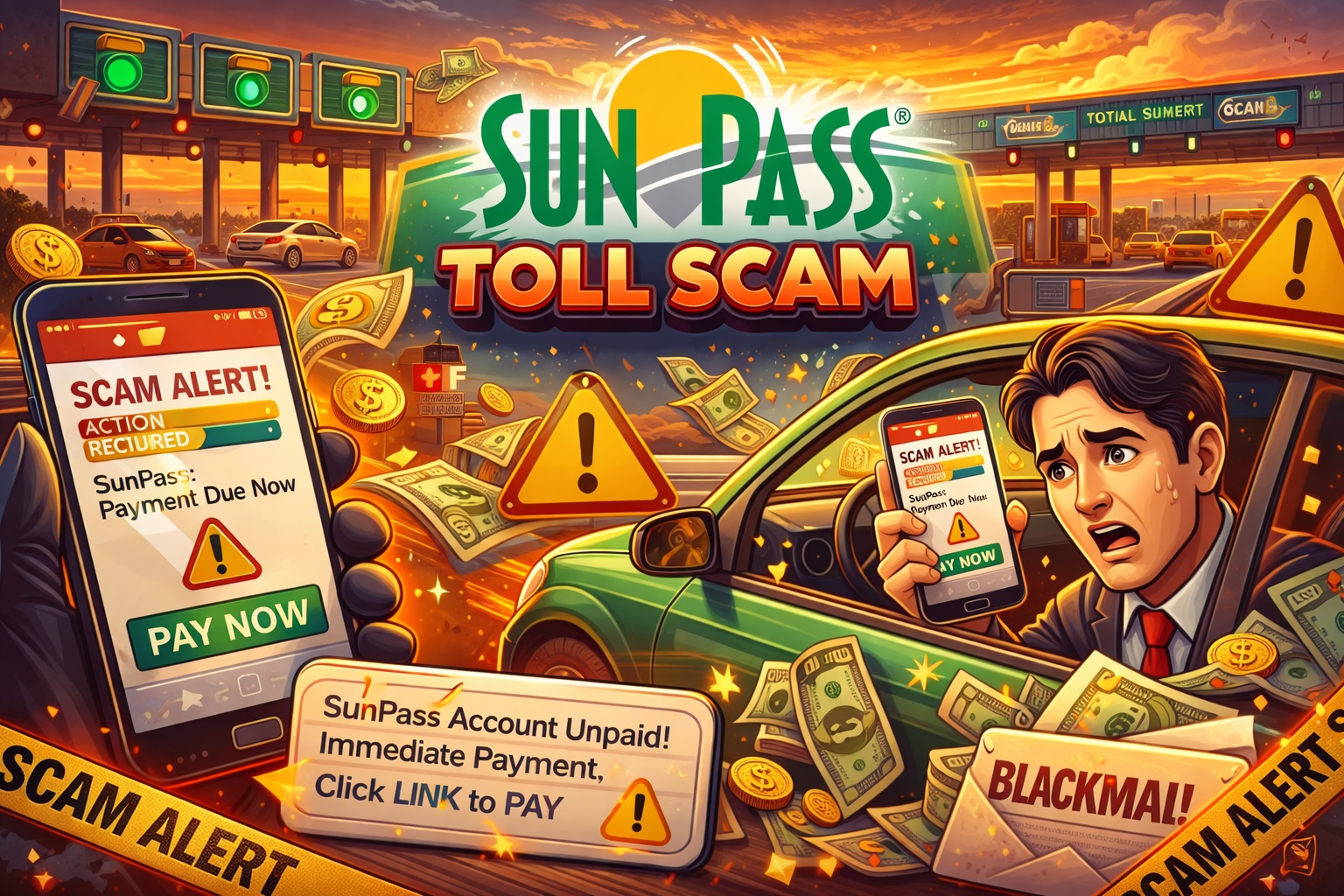
The SunPass toll scam is a phishing scheme targeting Florida drivers and motorists who use toll roads. Scammers send text messages or emails claiming you have unpaid tolls and must pay immediately to avoid penalties.
These messages typically include links to fake websites that mimic legitimate SunPass or toll authority sites. When you enter your payment information, scammers steal your financial details.
Warning signs include:
- Unsolicited texts about unpaid tolls
- Threats of increased fines or legal action
- Requests to click links in messages
- Misspelled URLs or unprofessional messaging
Always verify toll charges by logging directly into your SunPass account or contacting the toll authority using official contact information from their website.
Protecting Yourself: General Tips
Understanding these types of scams is your first defense, but staying safe requires ongoing vigilance:
- Be Skeptical: If an offer seems too good to be true, it probably is
- Verify Independently: Research companies, check licenses, and confirm contact details through official sources
- Protect Personal Information: Never share sensitive data in response to unsolicited requests
- Use Secure Payment Methods: Credit cards and payment services with fraud protection offer better security than wire transfers or cryptocurrency
- Trust Your Instincts: If something feels wrong, step back and investigate further
- Stay Informed: Scam tactics evolve constantly; stay updated on new fraud schemes
- Report Scams: Help protect others by reporting fraud to authorities and platforms like scamsreport.net
What to Do If You’ve Been Scammed?
If you’ve fallen victim to any of these scams:
- Act Quickly: Contact your bank or credit card company immediately to stop payments or reverse charges
- Document Everything: Save all communications, receipts, and evidence
- Report to Authorities: File reports with local law enforcement, the FTC, FBI’s IC3, or equivalent agencies in your country
- Seek Professional Help: Organizations like Scams Report specialize in helping scam victims navigate recovery processes, connect with legitimate recovery services, and report fraud to appropriate authorities
- Protect Your Identity: If you’ve shared personal information, monitor your credit reports and consider identity theft protection
- Learn and Share: Help others avoid similar scams by sharing your experience
The digital age has brought incredible convenience and opportunities, but it has also created new avenues for fraud. By understanding the different types of scams explained in this guide—from forex trading scams and cryptocurrency scams to romance scams, tax scams, and tech support scams—you can better protect yourself and your loved ones from financial and emotional harm.
Remember that scammers are skilled manipulators who exploit human psychology, trust, and financial aspirations. They’re constantly adapting their tactics to bypass security measures and prey on unsuspecting victims. Your best defense is knowledge, skepticism, and vigilance.
Don’t let embarrassment prevent you from seeking help if you’ve been scammed. Millions of intelligent, careful people fall victim to sophisticated frauds each year. Scamsreport.net provide valuable resources, support, and guidance for scam victims, helping them report fraud, understand their options, and potentially recover losses.
Stay informed, trust your instincts, verify before you commit, and never let pressure or fear drive your financial decisions. By following these principles and understanding the warning signs outlined in this guide, you can navigate the digital world more safely and confidently.
If you’ve been affected by any of these scams or want to report suspicious activity, visit scamsreport.net for expert guidance and support in protecting yourself and recovering from fraud.
We know the process of recovering any types of scams through legal ways. All you need to do is to file a complaint against the broker with us. We will contact you with a free consultation after that.
If you want to know more about the types of scams and scammers, do visit: