

Portfolio Recovery Scams: The Ultimate Guide to Identification, Protection, and Reporting
Portfolio recovery — the process of reclaiming unpaid debts, distressed assets, or overdue payments — is a legitimate and regulated industry. Banks, NBFCs, and financial institutions rely on professional recovery services to manage NPAs (Non-Performing Assets), loan defaults, and bad debt recovery. However, alongside genuine portfolio recovery services, a growing number of fraudulent operators have emerged, exploiting the names of real agencies to scam unsuspecting consumers.
This guide is designed to help you understand what Portfolio Recovery scams look like, how they operate, and what steps you can take to protect yourself. Whether you are a borrower receiving unexpected recovery calls, an investor concerned about debt portfolio recovery claims, or simply researching financial recovery services for safety — this resource is for you.
What Is a Portfolio Recovery Scam?
A Portfolio Recovery scam occurs when fraudulent individuals or fake companies impersonate legitimate portfolio recovery agencies to extract money, personal data, or sensitive financial information from victims. These scammers often claim to represent well-known debt collection firms, banks, or legal recovery services to add a veneer of legitimacy to their demands.
Unlike genuine asset recovery or credit portfolio recovery agencies that operate within the law, scam operators use deception, fear, and pressure as their primary tools. They may claim you owe a debt you have never heard of, threaten legal action if you do not pay immediately, or request payment through untraceable methods like wire transfers or gift cards.
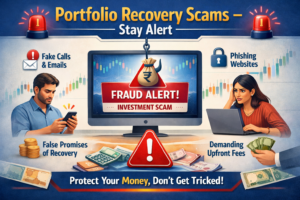
Understanding the types of scams in this space is the first step toward self-protection. Portfolio recovery fraud typically falls into the following categories: fake debt collection, impersonation of legal recovery services, phishing for personal financial data, and advance-fee fraud where victims are asked to pay upfront before receiving any recovery assistance.
Why Are Portfolio Recovery Scams on the Rise?
Several factors have contributed to the surge in Portfolio Recovery scams globally. The rise of digital communication has made it easier for scammers to impersonate legitimate commercial debt recovery firms using spoofed phone numbers, fake email addresses, and cloned websites. The lack of financial literacy among borrowers also creates fertile ground for exploitation.
In India particularly, the growth of the NBFC sector and the increasing volume of retail loans have created a large pool of potential targets. Scammers exploiting the terminology of banking portfolio recovery and RBI-compliant recovery processes to appear credible has become a concerning trend. Similar dynamics play out globally — scammers are well-versed in mimicking the language of secure recovery solutions and professional recovery services.
The psychology behind Portfolio Recovery scams is worth examining. Scammers deliberately target individuals already under financial stress. A borrower struggling with a loan default recovery notice is far more likely to react impulsively when threatened. Much like unmasking Forex scams reveals layers of psychological manipulation, Portfolio Recovery fraud relies on urgency, authority, and fear to override rational decision-making.
Who Is Behind Portfolio Recovery Scams?
The perpetrators of Portfolio Recovery scams range from individual opportunists to organized criminal networks. Some operate from domestic call centers, while others run cross-border operations using VoIP services to mask their location. Much like who is behind CFD scams, Portfolio Recovery fraud is often carried out by tech-savvy individuals with some knowledge of financial and legal terminology.
In many cases, scammers purchase lists of individuals who have previously applied for loans or credit products, giving them enough data to make their calls seem credible. They use this information to construct convincing narratives around loan portfolio recovery, NPA portfolio recovery, or receivables recovery to sound authoritative.
5 Warning Signs of a Portfolio Recovery Scam
Recognizing fraud before it causes harm is essential. Below are five critical warning signs that what you are experiencing may not be legitimate portfolio recovery services:
- Pressure to Pay Immediately: Legitimate debt portfolio recovery agencies provide documentation and allow time for verification. Scammers demand instant payment and refuse to give you time to think.
- Refusal to Provide Written Documentation: Any legitimate financial recovery service will provide a written notice with details of the debt, creditor, and legal basis. If no documentation is forthcoming, be suspicious.
- Requests for Unusual Payment Methods: Gift cards, cryptocurrency, and wire transfers are not used by regulated commercial debt recovery firms. If payment in such forms is demanded, it is almost certainly a scam.
- Threats of Immediate Legal Action or Arrest: Ethical debt recovery agencies do not threaten arrest over unpaid debts. Such threats are illegal in most jurisdictions and a clear red flag.
- Unverifiable Agency Identity: If the agency cannot be found through official registries, regulatory databases, or verified contact details, treat the interaction with extreme caution.
If you have encountered any of the above warning signs, consider documenting the interaction and reporting it. Early reporting can help prevent further losses — both to you and to other potential victims.
A Step-by-Step Guide to Identifying Portfolio Recovery Scams
Identifying a scam in real time can be difficult, especially when the caller is convincing. Use the following framework to evaluate any contact claiming to be from a portfolio recovery or account resolution service:
Step 1: Verify the Agency’s Identity
Ask for the full legal name of the agency, registration number, and a callback number. Cross-check these against official databases, the RBI’s list of registered NBFCs (for India-based queries), or consumer protection registries in your country.
Step 2: Request a Written Debt Validation Notice
Under most consumer protection laws, you have the right to request written validation of any debt claim. A legitimate corporate portfolio recovery agency will comply without hesitation. A scammer will typically resist or disappear after such a request.
Step 3: Do Not Share Personal or Financial Information
Avoid providing your bank account numbers, OTPs, or ID documents until you have verified the agency’s legitimacy. Fraudsters often use the guise of credit control recovery processes to extract sensitive data.
Step 4: Consult an Independent Professional
If in doubt, consult a financial advisor or legal professional before making any payment. Genuine risk mitigation services include helping clients verify the authenticity of recovery claims.
Step 5: Report Suspicious Activity Promptly
If you suspect a Portfolio Recovery call or message is fraudulent, report it immediately. Users can securely report suspicious Portfolio Recovery activity at scamsreport to help build a broader picture of ongoing fraud schemes.
7 Common Tactics Used in Portfolio Recovery Scams
Fraudulent recovery operators employ a range of sophisticated tactics. Understanding them helps you stay one step ahead:
- Caller ID Spoofing: Scammers manipulate caller ID to display the names of legitimate financial recovery services or law firms.
- Phantom Debt Claims: Victims are contacted about debts they never incurred, relying on confusion and fear to prompt payment.
- Legal Threat Escalation: Fake legal notices are sent to create panic, often referencing specific legislation related to loan default recovery.
- Data Harvesting: Under the pretense of verifying identity for distressed asset recovery, scammers collect Aadhaar, PAN, bank details, and passwords.
- Advance Fee Fraud: Victims are promised recovery of lost funds or reversed transactions in exchange for an upfront payment — money that disappears along with the scammer.
- Impersonation of Regulators: Scammers pretend to represent the RBI, SEBI, or other bodies, claiming that payments must be made under regulatory compliance.
- Social Engineering via Email and SMS: Phishing messages mimicking banks and NBFCs direct victims to fake portals where their data and payments are stolen.
Just as questions like where to report cryptocurrency scams point victims toward legitimate channels, knowing the right reporting platforms for Portfolio Recovery fraud is equally important. Always document interactions — screenshots, call recordings, and emails — before filing a report.
How Portfolio Recovery Scams Target Vulnerable Individuals?
Who is most at risk for investment scams also applies directly to Portfolio Recovery fraud. Vulnerable groups include individuals who have recently defaulted on loans, senior citizens unfamiliar with digital financial services, small business owners under cash flow pressure, and first-time borrowers without prior experience with bad debt recovery processes.
Scammers specifically target these groups because financial stress reduces the ability to think critically. When someone fears their assets will be seized, their first instinct is compliance — not verification. This psychological vulnerability is exploited systematically.
Portfolio recovery services in India and globally are increasingly grappling with this challenge. Regulators are working to educate consumers about the proper process of RBI-compliant recovery and what legal recovery services are actually permitted to do.
The Financial Impact of Falling for a Portfolio Recovery Scam
The financial consequences of falling victim to Portfolio Recovery fraud can be devastating. Beyond the immediate monetary loss — which may range from a few thousand to several lakhs in the case of advance-fee schemes — victims also face identity theft, unauthorized credit applications, and long-term damage to their credit profiles.
For businesses, the impact is compounded. A company that falls victim to a fake corporate portfolio recovery scheme may lose working capital, expose client data, and suffer reputational damage. Banking portfolio recovery fraud has resulted in significant institutional losses in cases where employee social engineering was involved.
If you are facing withdrawal issues from a financial platform or experiencing unexplained deductions following contact with a recovery agency, document and report the incident immediately. Delay increases the difficulty of tracing transactions and pursuing remedial action.
10 Tips to Avoid Portfolio Recovery Scams
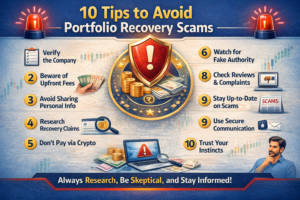
- Always verify the identity and registration of any agency contacting you about outstanding debts.
- Request a written debt validation notice before making any payment or sharing any information.
- Never pay using gift cards, cryptocurrency, or wire transfers in response to a recovery call.
- Cross-reference the agency with your original lender before engaging with any third-party recovery service.
- Be suspicious of callers who know your name and partial financial details — this information may have been sourced from data breaches.
- Do not click links in SMS or email messages claiming to be from recovery agencies without verifying the sender independently.
- Consult your original bank or NBFC directly if you receive unexpected contact about loan default recovery.
- Keep records of all communications — call logs, messages, email threads — in case reporting becomes necessary.
- Share information about suspected scams with family, colleagues, and community groups to build collective awareness.
- Report suspicious Portfolio Recovery activity promptly to consumer protection bodies and platforms like scamsreport.net.
Understanding the Legal Implications of Portfolio Recovery Scams
From a legal standpoint, Portfolio Recovery fraud constitutes multiple offenses, including cheating, identity fraud, extortion, and unauthorized collection of financial data. In India, such activities may violate the Indian Penal Code, the Information Technology Act, and RBI guidelines on ethical debt recovery and fair practices in lending.
Victims have legal recourse, including filing complaints with the police cybercrime cell, the RBI’s Banking Ombudsman scheme, or SEBI in cases involving securities. Understanding the legal landscape empowers victims to take action rather than suffer in silence.
It is worth noting that how portfolio recovery works in a legitimate context is strictly defined by law. Regulated recovery services must follow prescribed codes of conduct, disclose their identity, maintain records, and refrain from harassment. Any deviation from these standards — especially pressure tactics, threats, or requests for non-standard payments — should be treated as a potential violation.
If you suspect a Portfolio Recovery broker is misleading you or operating outside legal boundaries, consider reporting it to the relevant regulatory authority and to scamsreport.net, where such concerns can be documented and escalated appropriately.
Debunking Myths About Portfolio Recovery Scams
Myth 1: “If they know my loan details, they must be legitimate”
Not necessarily. Data breaches, purchased databases, and social media research can give scammers enough information to seem credible. Always verify independently through your original lender.
Myth 2: “Paying the amount will make it stop”
Paying a scammer rarely ends the harassment. It often signals that you are willing to pay, resulting in further demands. Report rather than comply.
Myth 3: “This only happens to financially uneducated people”
Portfolio Recovery fraud targets people across all financial literacy levels. Highly educated professionals and experienced investors have also been deceived. Why do online shopping scams continue to thrive alongside financial scams? Because human psychology — particularly under stress — makes everyone susceptible to the right framing at the right moment.
Myth 4: “There’s nothing I can do once I’ve been scammed”
This is false. Reporting promptly to law enforcement, your bank, and consumer protection platforms can initiate investigations and, in some cases, lead to account freezes that prevent further financial harm.
8 Steps to Take If You Encounter a Portfolio Recovery Scam
- Stop Communication Immediately: Do not continue engaging with a suspicious caller. End the call politely and do not return calls to numbers they provide.
- Document Everything: Note the date, time, caller ID, caller name, demands made, and any reference numbers or documents provided.
- Contact Your Original Lender: Reach out directly to the bank or NBFC the scammer claims is their client. Ask if they have authorized any third-party for your account.
- Alert Your Bank: If you have already shared financial information or made a payment, contact your bank immediately to flag the account and potentially freeze suspicious transactions.
- File a Cybercrime Report: In India, file a complaint at cybercrime.gov.in. Internationally, contact your local consumer protection authority or financial regulator.
- Submit a Complaint to a Scam Reporting Platform: Platforms like scamsreport.net allow victims to file complaints and submit evidence, contributing to broader scam tracking.
- Monitor Your Credit Profile: Check your credit report for any unauthorized applications or changes. Contact the relevant credit bureau to flag potential fraud.
- Seek Expert Guidance: Consider consulting a legal or financial professional to understand your options, particularly if significant funds have been lost.
How to Report and Handle Portfolio Recovery Scams?
Reporting is one of the most powerful tools available to scam victims. When incidents are documented and shared through the right channels, they contribute to regulatory action, public awareness, and in some cases, law enforcement investigations.
Best practices for reporting include providing as much detail as possible — including the scammer’s contact information, any account numbers mentioned, and the nature of the demands. Avoid embellishing or speculating; factual reporting is most useful.
Scam reporting platforms play an important role in aggregating complaints. Just as resources dedicated to understanding types of scams help the public recognize patterns across fraud categories, specialized reporting tools create databases that inform both consumers and investigators.
If you are facing withdrawal issues from a financial platform following contact with a supposed recovery agent, document the full sequence of events and report the incident. Even if recovery of funds is uncertain, your report could prevent the same scheme from affecting others.
Take Action: Report Suspicious Portfolio Recovery Activity
Portfolio Recovery scams thrive when victims stay silent. Each unreported incident gives fraudulent operators the confidence to continue, targeting more individuals with the same deceptive tactics. Your experience matters — and sharing it responsibly can make a difference.
If you believe you have encountered a suspicious broker, a misleading Portfolio Recovery scheme, or a financial withdrawal issue, consider taking the following steps:
- Document all relevant details — call recordings, screenshots, transaction records, and correspondence.
- Report the incident to your local financial regulator and law enforcement.
- Submit a complaint and share your evidence at ScamsReport, a trusted platform for documenting and reviewing scam incidents.
- Seek expert guidance on your legal and financial options without delay.
Scams flourish in silence. Awareness, vigilance, and timely reporting are the most effective tools at our collective disposal. Whether you are a victim, a researcher, or someone who simply wants to protect their financial future — take action, stay informed, and encourage others to do the same.
Are you a victim of Portfolio Recovery Scam? Get help from Scams Report!
If you’ve been targeted by the Portfolio Recovery Scam, don’t navigate it alone. Turn to Scams Report for expert guidance. We offer free consultation and resources to report fraudulent activities. Protect your financial well-being with our step-by-step assistance.
Our Social Pages
Visit our LinkedIn Page