There’s a new wave of telephone scams where callers impersonating Chase Bank attempt to frighten victims into action. Most of these scams work by using caller ID spoofing, urgency, and fabricated banking procedures to trick people into wiring money or revealing sensitive information.
What Happened in This Case?
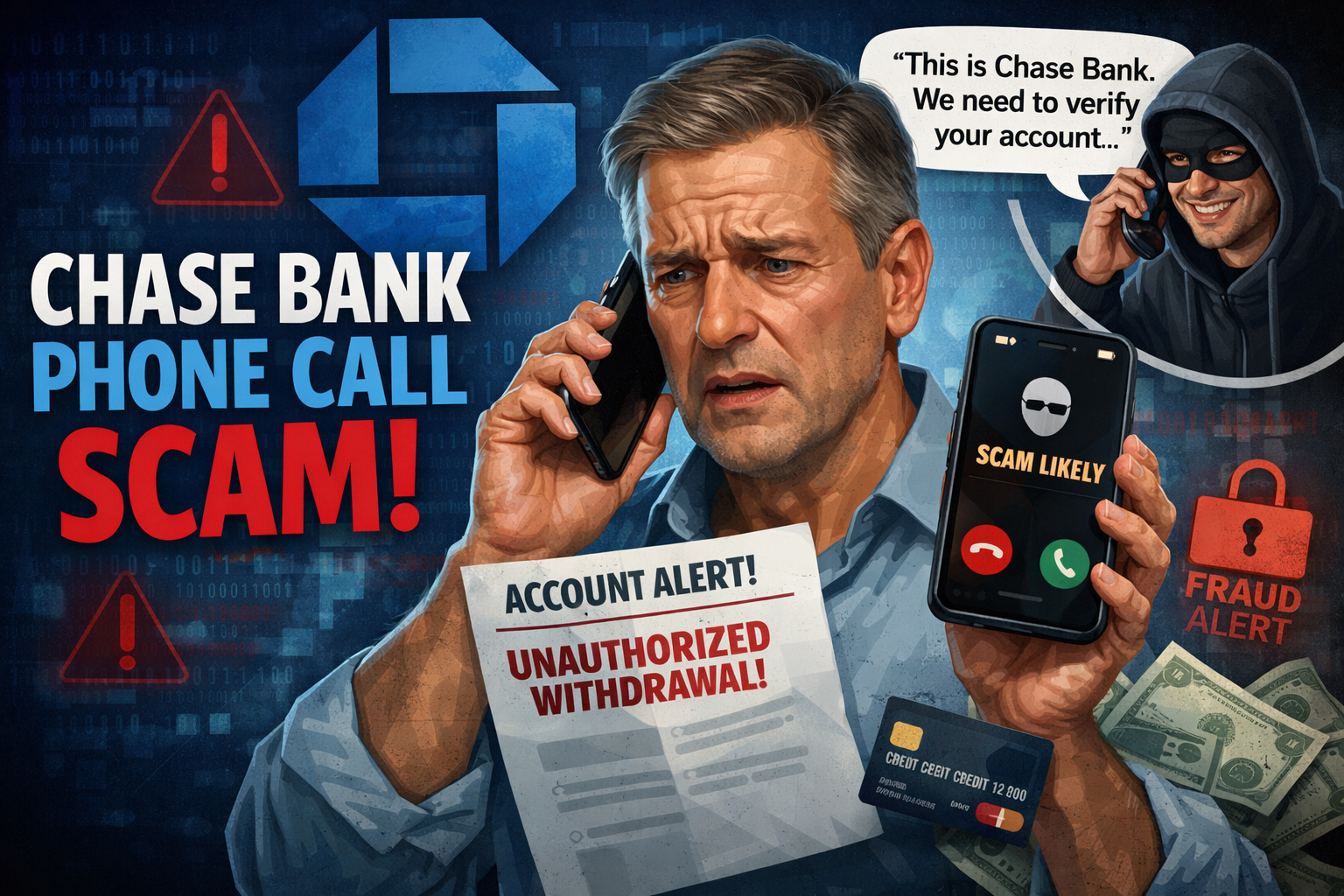
It seemed like the call came directly from Chase Bank. He was told that someone had tried to open a new account and had made two transactions with a home improvement contractor for $5,500.
To give the appearance that the call is real, the scammer does:
- Gave fictitious case numbers
- It is claimed that the charges were currently being “cancelled.”
- Followed a pre-designed process to advance the call forward.
But when the victim said he would not continue anymore and that he would go to the bank, the caller hung up immediately-a major warning sign.
Is This Call Really From Chase Bank?
Why does the number show up as Chase?
Scammers use caller ID spoofing to display legitimate bank phone numbers. Just because “Chase Bank” pops up on your screen doesn’t guarantee the call is real.
Do real banks handle fraud this way?
No. For valid banks:
- Do not ask customers to complete fraud reversals over unsolicited calls.
- Do not bounce you around between departments for “verification.”
- Encourage customers to visit a branch or call official numbers.
Hanging up the moment a customer says they will visit the bank is an absolute sign of impersonation.
What Was the Scammer’s End Goal?
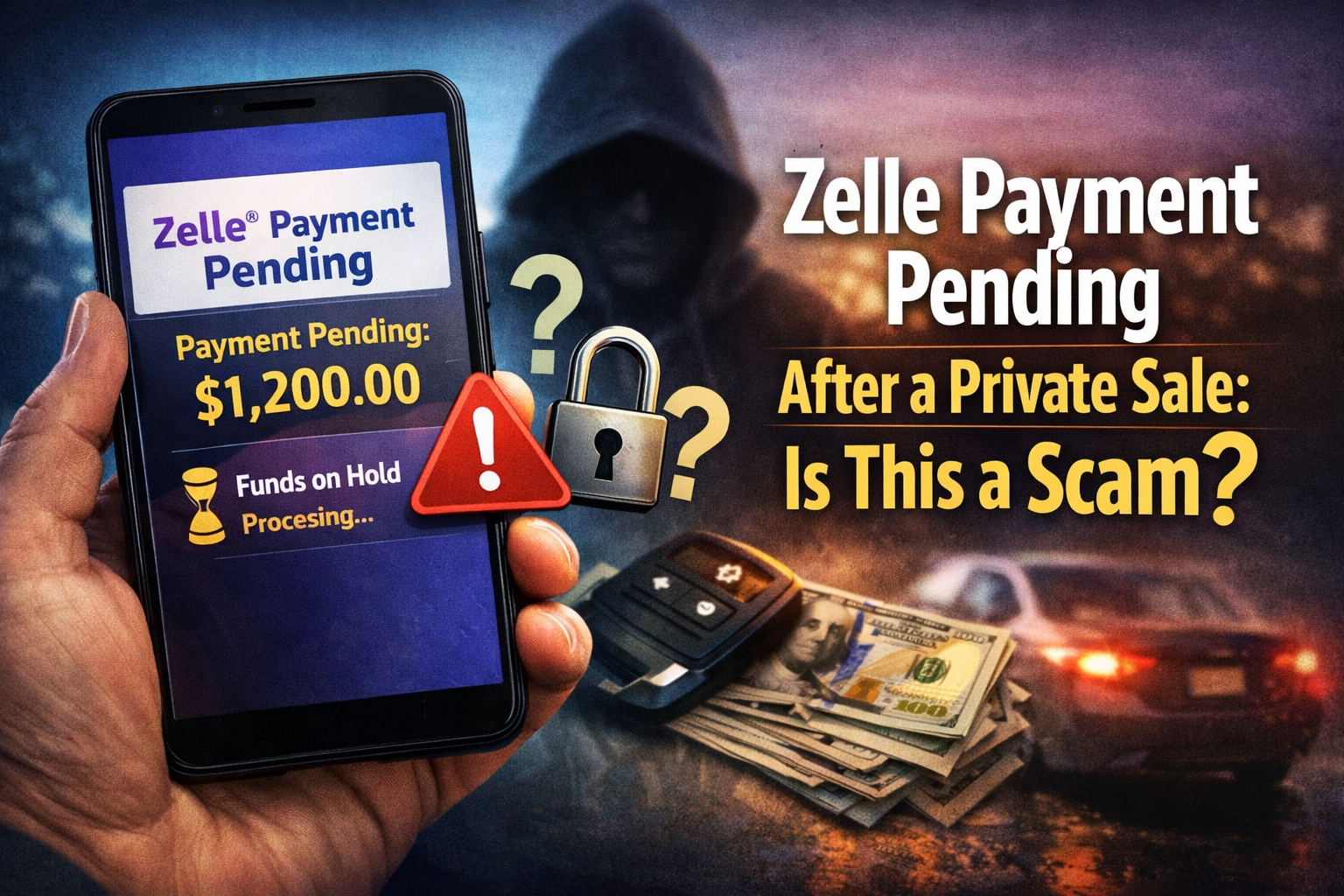
Why would a scammer specify Zelle or an instant payment?
Victims on Reddit, where similar cases were discussed, said they are told to:
- Zelle money transfers to “secure” or “verify” the account.
- Think that the transfer will be reversed later.
Once these payments are processed, they become irreversible. That is why the scammers insist on urgency and discourage branch visits.
Users of Reddit have time and again alerted that banks would never ask for a Zelle payment to thwart fraud, but the tactic continues to suck in unsuspecting victims.
Common Red Flags to Watch For
How can you spot a Chase impersonation scam?
- Unwanted calls about major fraudulent transactions
- Pressure to act now
- Money transfer requests to Zelle or other applications.
- Number of phony cases or tickets
- Ends abruptly when you hang up or dispute the calls
“If any of these signals appear, the only thing that makes sense to do is to hang up.”
What Should You Do If You Get a Similar Call?
- No account credentials or verification numbers/codes to be shared
- Never send money – under any circumstances.
- Call them back, using the number on the back of your bank card.
- Inform your bank and consumer platforms about the incident.
Final Thoughts
Scammers are getting smarter, managing to mingle spoofed numbers with logical scripts and processes. Awareness is the best defense. Trust your instincts-if something doesn’t feel quite right, it most likely isn’t.
ScamsReport.net provides constant updates about new scams, impersonation techniques, and suspicious brokers. At ScamsReport, our tool helps you identify potential scams early and steer clear of financial scams via genuine reports and real-life experiences from across the Web.