Smartphones have become part of our lives, but they also present an opportunity for scammers. In today’s digital world, iPhone and Android scams are becoming increasingly sophisticated. Whether iPhone or Android, cybercriminals continuously find different ways to target consumers. Some can be quite elaborate, such as scams where AI creates messages or links to scam sites. At the same time, others are more straightforward, such as generic phishing links that ask for personal information. But the first line of defence is to take a step back and be aware.
1. The Rise of AI-Generated Scammers
AI has made scams more complicated. We can see examples of criminals using AI to generate not real text messages, realistic voice messages, deep fake videos, or even a voice that imitates a family member asking for help. A scammer can even create an artificial clone of a person’s voice and then contact you, claiming that they are in trouble and need money sent to them immediately. All of the emotional parts make AI scams very dangerous.
2. Phishing Through SMS, Phone Calls, and Pop-Up Notifications
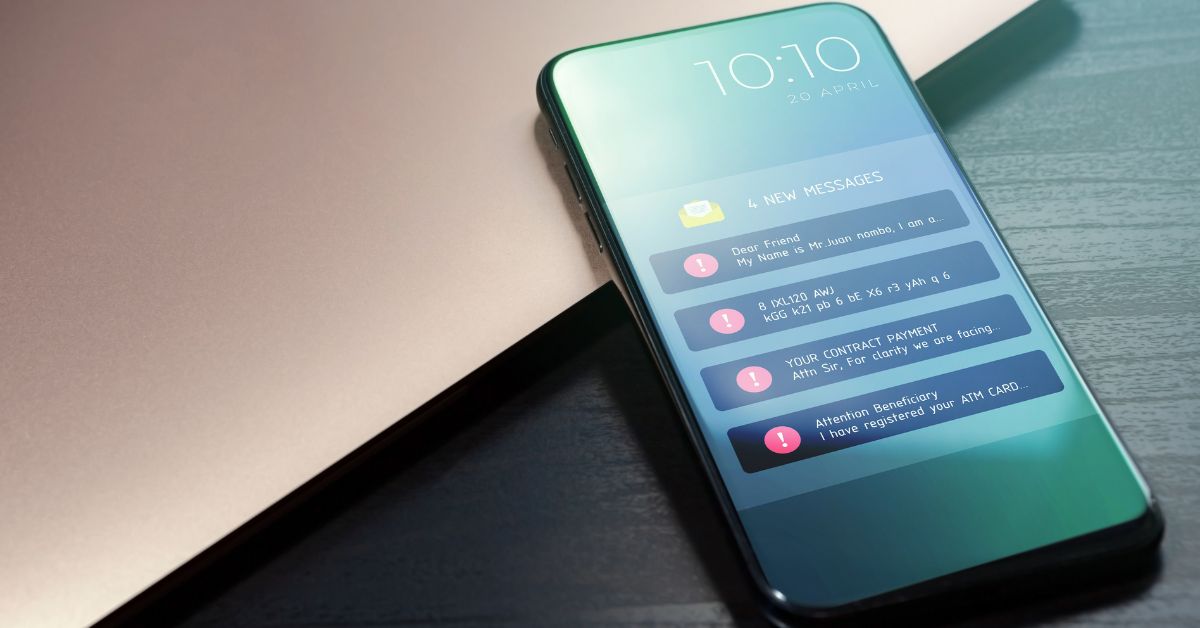
Phishing remains a significant danger to iPhone and Android users. Scammers are able to impersonate an actual person from a legitimate organization, such as your bank, a delivery service, or a government agency, and they send you a text or email as if they are messaging you on behalf of their organization. The message may have messages with scary text, such as “your account is locked,” or “verify the delivery information,” and they draw us in to act based on the urgency of the situation. If you click the link, it may trick you into providing your personal information, and it could possibly begin a download of malware or take you to a site impersonating the organization and requesting your login.
3. Problematic Applications and Fake Updates
Android users face a higher risk of downloading an application that, at first glance, may appear to be legitimate but may be used as a method of collecting information. Some scammers have even posted fake versions of popular applications to third-party stores. However, iPhone users are not exempt, as pop-ups may appear on Safari, indicating that your device has been compromised, and the best option is to download a “security application.”
4. The Illusion of Urgency
Yet another familiar trick of a scammer is to invoke a sense of fear or urgency to motivate the target to take action. For example, a scammer may send a text indicating that your bank account has already been compromised or that a package can’t be delivered until you confirm something. This is a common psychological trick that takes advantage of people’s mental shortcuts to provoke a reaction to engage without critical thinking.
5. Tips to help You Avoid this Mobile Scam
- Always enable 2-factor authentication (2FA) on every important account.
- Never enter personal information while doing financial transactions, while on public Wi-Fi.
- Download trusted security software onto your phone.
- Always back up important information in case there is a hack and you lose that information.
- Stay current and aware of scams and scam trends, and share what you learn.
The landscape for scams continues to change, as the technology does, anticipating and evolving to target iPhone and Android users. With AI-generated fraud and fake pop-ups, mobile scams continue to become more convincing. Awareness is the best defense.
About Scams Report
Scams Report is an independent organization that exposes online investment frauds and helps victims recover lost money. Our experts have over a decade of experience tracking scam websites and maintaining a live database of fraudulent brokers.
We publish verified scam alerts, broker reviews, and recovery resources to protect traders worldwide and promote financial awareness.